
The Seven National SuDS Standards: Key Takeaways

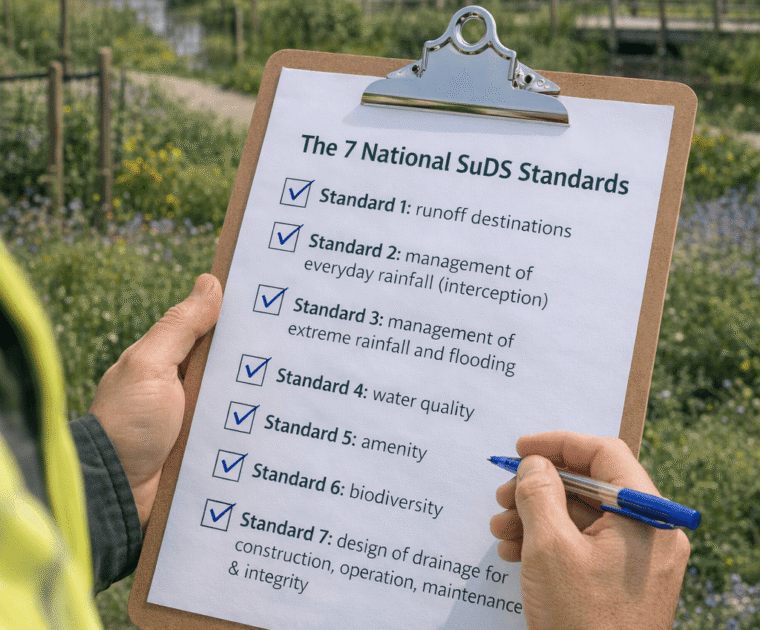
After seven weeks exploring Defra’s National SuDS Standards, we’ve brought together the key lessons for developers, planners and design teams. This recap highlights why integrating sustainable drainage from the earliest stages of a project is essential for smoother planning approvals, compliant design and better long-term outcomes, while showcasing how RAB Consultants helps clients put these principles into practice.

SuDS Standard 7: Construction, Operation, Maintenance, Decommissioning & Structural Integrity

A well-designed SuDS scheme is only as effective as its long-term performance. In the final article of our National SuDS Standards series, we explore Standard 7, highlighting the importance of construction planning, maintenance, structural integrity and clear long-term management to ensure sustainable drainage systems remain safe, effective and adoptable throughout their design life.

SuDS Standard 6: Biodiversity

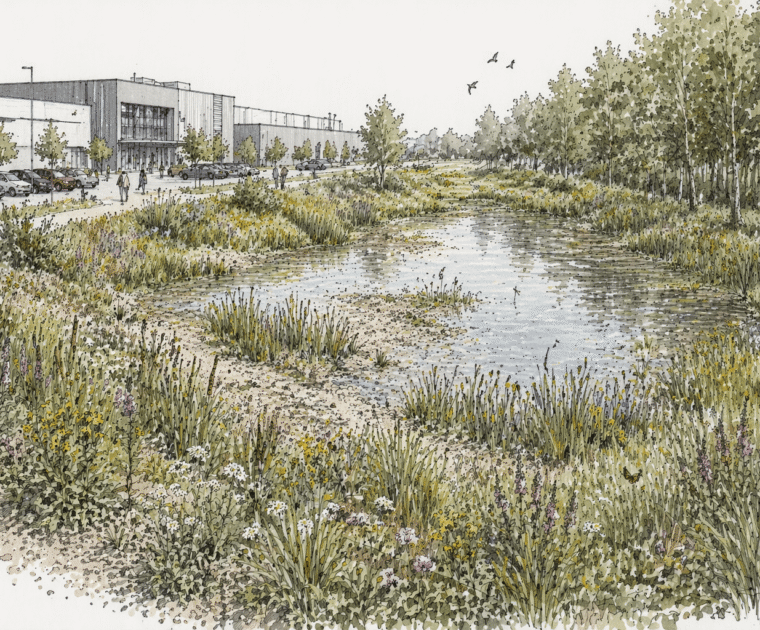
Sustainable drainage is no longer just about managing water, it’s also about creating thriving habitats. In this penultimate article of our National SuDS Standards series, we explore Standard 6 and how integrating biodiversity into SuDS design through native planting, habitat creation and naturalised landscapes can support Biodiversity Net Gain, strengthen ecological networks and help secure successful planning outcomes.

SuDS Standard 5: Amenity

This is week five of seven in the series where we look at Defra’s new National SuDS Standards. Week 5 focuses on Amenity. SuDS are more than drainage, they’re assets that create greener, more attractive places people want to use, while delivering effective surface water management.