SuDS Standard 3: Managing Extreme Rainfall & Flooding

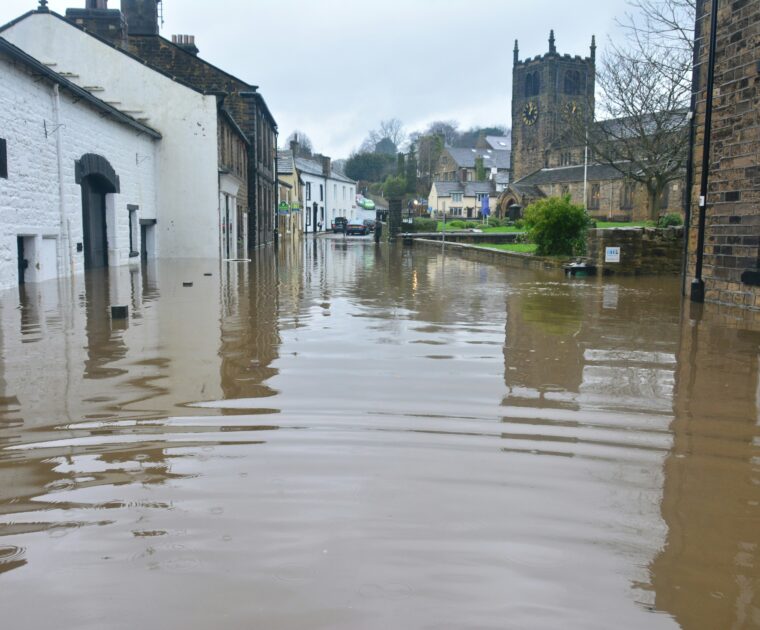
In the third instalment of our standards series, we explore Standard 3: Managing Extreme Rainfall & Flooding. While drainage systems may cope well under normal conditions, extreme weather events present a far greater challenge. This standard ensures developments can safely manage rainfall up to the 1-in-100-year storm event, including climate change allowances, through effective drainage design, exceedance routing, and flood resilience measures. By considering flood risk early in the design process, developers can protect people, property, and infrastructure while avoiding costly redesigns, planning objections, and future liability issues.

Hot Weather, Cold Water Shock and the Importance of Public Safety Risk Assessments

Amidst the current heatwave, many people are seeking relief in rivers, lakes, reservoirs and coastal waters. However, while open water may appear inviting, it can present significant hidden risks.

This article explores the dangers of cold water shock and other hazards commonly found in open water environments, from strong currents and submerged obstacles to sudden changes in depth. It also highlights the role of Public Safety Risk Assessments (PSRAs) in identifying risks, informing the public and implementing practical measures that help keep people safe while maintaining access to these valuable spaces.

What The UK’s Extreme Heat Means for Organisational Resilience

With the UK currently facing a Red Extreme Heat Warning, organisations are once again being reminded that resilience extends beyond cyber incidents and major emergencies. Extreme weather events are becoming an increasingly significant operational risk, making effective business continuity and resilience planning more important than ever.

SuDS Standard 2: Managing Everyday Rainfall (Interception)

Week 2 of our series on Defra’s new National SuDS Standards focuses on Standard 2: Managing Everyday Rainfall (Interception). The standard requires a quantified assessment of interception storage and promotes the use of distributed SuDS features such as green roofs, permeable paving and bioretention systems to replicate natural drainage processes and avoid downstream impacts.

Reflecting on Flood & Coast 2026: Key Takeaways from the RAB Team

One week on from Flood & Coast 2026, we’re reflecting on the key themes and insights shared throughout the conference. From stakeholder engagement and Natural Flood Management to Property Flood Resilience and integrated water management, our team shares its key takeaways from this year’s event.