


Resilience is once again in the national spotlight following the launch of the UK Government’s Be Ready preparedness campaign and the arrival of the first named storms of the 2026/27 season.
The Government’s campaign encourages households to take practical steps to prepare for up to three days of disruption caused by emergencies such as severe weather, flooding, power cuts and infrastructure failures. The guidance highlights the importance of having essential supplies available and ensuring access to important information and communication devices.
While the campaign is aimed at individuals and families, its underlying message is equally relevant to businesses and other organisations. Disruption can affect staff, premises, supply chains and essential services, sometimes with little warning. The ability to respond effectively depends not only on the actions taken during an incident, but also on the preparation carried out beforehand.
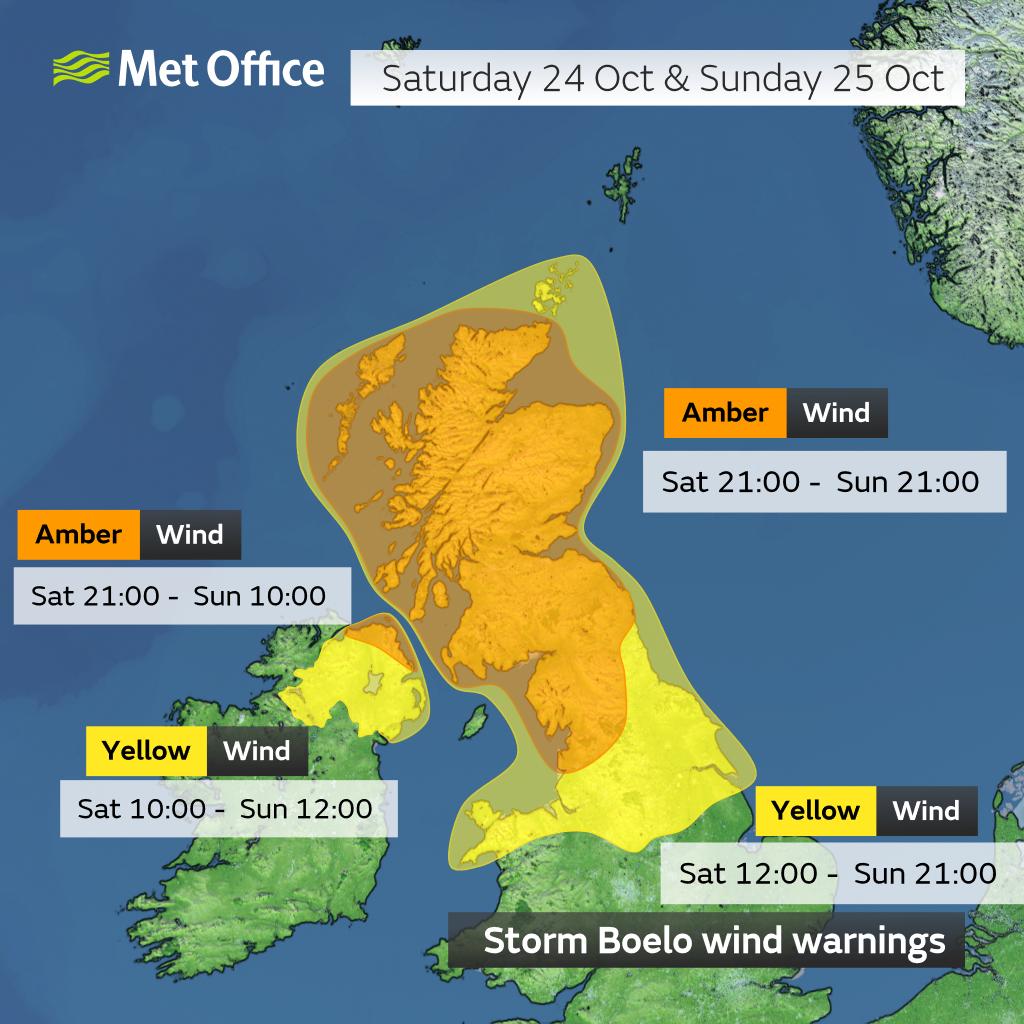
The campaign comes at a time when severe weather is already affecting parts of the UK. Storm Austen, the first named storm of the season, has prompted Amber and Yellow weather warnings across parts of England and Wales, with forecasters warning of strong winds, heavy rainfall, transport disruption and possible power outages. Meanwhile, Storm Boelo, named just days later, is expected to bring further disruption to Northern Ireland, Scotland and northern parts of England, with Yellow wind warnings in place and gusts of up to 70–80 mph forecast in exposed coastal locations.
For resilience professionals, these developments serve as a timely reminder that preparedness is not simply about responding to emergencies when they occur. Effective resilience is built through planning, training and exercising long before an incident takes place.
With Storm Austen and Storm Boelo bringing further attention to the risks associated with severe weather, this is a timely opportunity for organisations to review their business continuity arrangements and assess their readiness for the winter months ahead.
When Weather Warnings Become Operational Challenges
Weather warnings provide organisations with valuable time to prepare. However, the effectiveness of any response depends on whether appropriate arrangements are already in place and whether people understand how to put them into practice.
Severe weather can have consequences beyond the immediate impact on buildings and infrastructure. Staff may be unable to travel to work, transport networks may be disrupted, and power or communications failures can affect the delivery of essential services. Suppliers may also experience difficulties, creating further challenges for organisations that rely on external providers to maintain their operations.
These impacts can quickly become interconnected. For example, the loss of access to a key site may be compounded by staff shortages, limited IT access or delays in receiving essential supplies.
Effective business continuity planning helps organisations understand these dependencies, establish priorities and identify the arrangements needed to maintain critical activities during disruption. It also provides clarity around decision-making, responsibilities and communication when normal operations are affected.
Reviewing Business Continuity Arrangements
As the autumn and winter months progress, organisations should consider whether their existing plans remain suitable for the risks they face.
Key questions include:
- Are business continuity and emergency response plans up to date? Plans should reflect current operations, staffing arrangements, sites and critical dependencies.
- Are roles and responsibilities clearly understood? Key personnel should know what is expected of them during an incident and who has authority to make important decisions.
- Can essential services continue if premises become inaccessible? Alternative arrangements should be practical, available and capable of supporting critical activities.
- Are communication arrangements reliable? Emergency contact details should be current, and organisations should consider how they would communicate if normal systems became unavailable.
- Can IT and remote working arrangements support continued operations? Staff may need access to systems, information and equipment outside their usual working environment.
- Have critical suppliers and dependencies been assessed? Organisations should understand where disruption to external services could affect their ability to operate.
- When were plans last tested? Exercises can help establish whether arrangements are workable and whether staff are confident in their responsibilities.
These questions provide a useful starting point for identifying potential weaknesses. However, reviewing documentation alone is not enough. Plans need to be tested against realistic scenarios to establish whether the arrangements will work in practice.
Exercising can reveal gaps in communication, decision-making, resource availability and coordination that may otherwise remain unnoticed until an incident occurs.
Building Resilience Before Disruption Occurs
Organisations cannot eliminate every risk or prevent all disruption, but they can take steps to reduce its impact.
This starts with understanding which activities are essential, identifying the resources and people required to maintain them, and establishing workable alternatives when normal arrangements are unavailable. Clear responsibilities, effective communication and regular exercising all contribute to a more coordinated response.
Preparedness should also be treated as an ongoing process rather than a one-off exercise. Organisations change, services evolve and new dependencies emerge. Business continuity arrangements therefore need to be reviewed regularly to ensure they remain relevant and reflect the way the organisation operates.
These principles apply across the public, private and education sectors, where maintaining essential services and meeting the needs of staff, customers and communities can be particularly important during periods of disruption.
The Government’s Be Ready campaign reinforces a straightforward message: preparation needs to happen before an emergency occurs. For organisations, the same principle applies to business continuity and operational resilience.
Is Your Organisation Prepared for Winter?
At RAB, we support organisations in strengthening their resilience through business continuity planning, emergency preparedness, training and exercising.
Whether reviewing existing plans, assessing critical dependencies or testing response arrangements, taking a proactive approach can help organisations identify gaps and improve their ability to manage disruption.
As winter approaches, reviewing and testing business continuity arrangements is a practical step towards ensuring your organisation is prepared to respond effectively when it matters most. Get in touch with one of the team today to find out how we can help.