As we move onto week five of our seven-part National SuDS Standards campaign, we’re excited to delve into the ways in which SuDS can be transformed for the benefit of the public. SuDS Standard five is: Amenity.
SuDS aren’t just drainage. They’re assets. Done right, they make places people actually want to spend time.
Standard 5 requires drainage features to positively contribute to the usability and enjoyment of a development. They become part of the site experience rather than hidden infrastructure.
Why This Matters:
SuDS that only function hydraulically miss significant planning, social value and design opportunities. Authorities increasingly favour schemes where SuDS contribute meaningfully to place-making, wellbeing and public realm quality.
Good amenity design increases property value, improves adoption outcomes, and ensures SuDS are seen as assets rather than liabilities.
Examples:
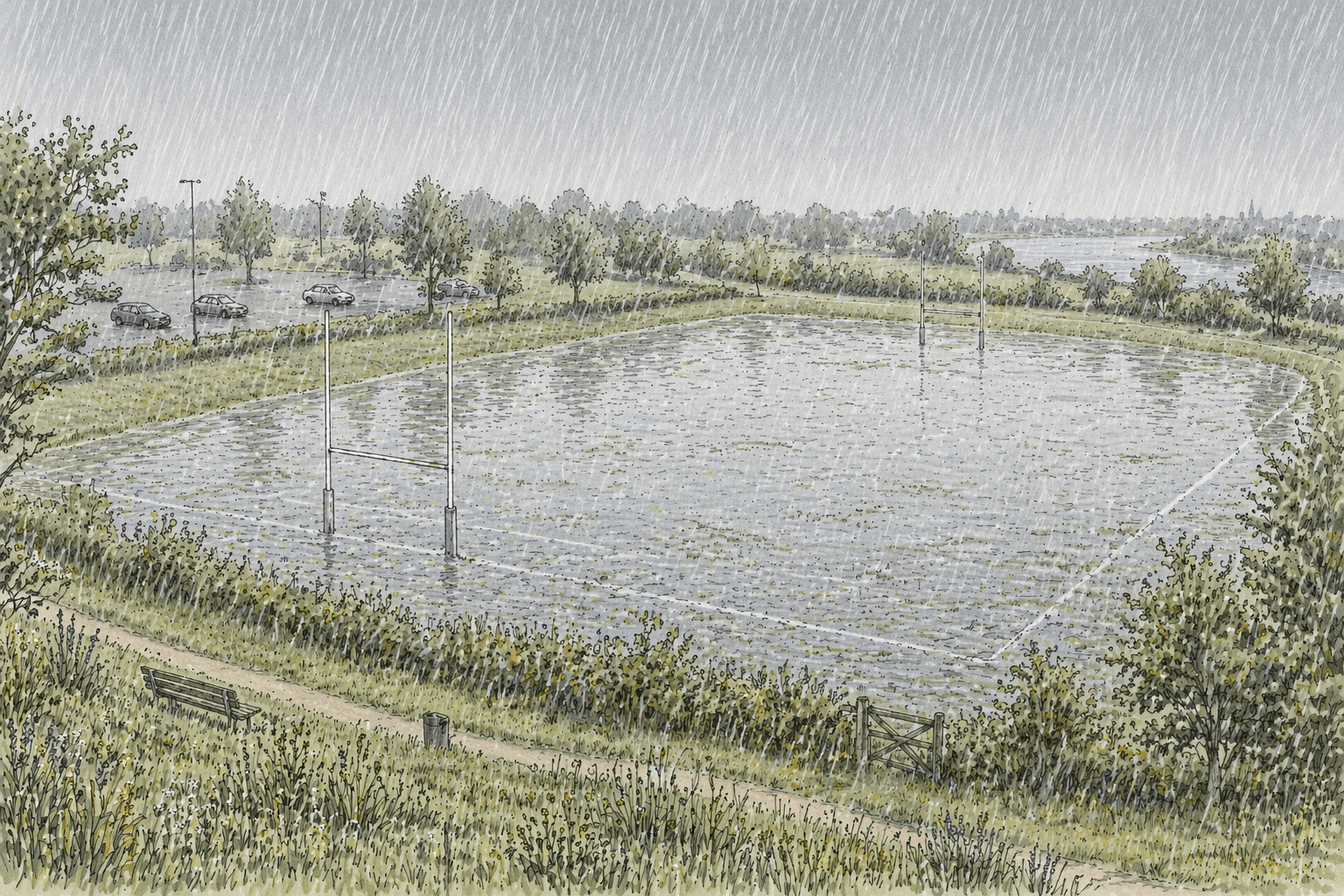
• A detention basin designed as a multifunctional community green space.
• Rain gardens integrated into shared spaces, offering shade, seating edges thriving and greenery.
• Decorative rills or channels guiding water through courtyards.
What You Need to Know:
Close collaboration with landscape and urban design teams ensures SuDS deliver multifunctionality including technical performance, usability, accessibility and visual quality. SuDS should respond to key desire lines and public realm objectives.
Amenity-rich SuDS improve marketability, planning certainty and community acceptability. Ensure long-term management plans recognise these spaces as usable assets, not ‘engineered liabilities.’
Opportunities to integrate water visibly into the public realm such as edges, seating, shading, planting structure and pathways all need a well-considered design.
We’re nearing the end of our series, with just two weeks remaining. Next week our penultimate post focuses on Standard 6: Biodiversity.
Click here for more information on our solutions to sustainable drainage and how we can help you.