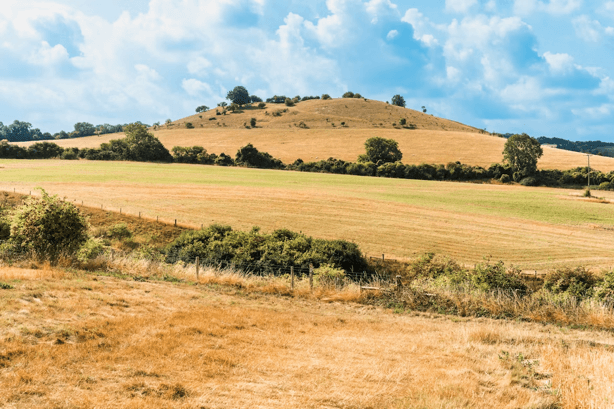
England’s third drought in five years highlights why organisations should prepare before restrictions are introduced. Unlike floods or cyber incidents, drought develops gradually, giving organisations time to recognise changing conditions, review business continuity arrangements and strengthen organisational resilience before disruption affects critical services.
The Environment Agency has declared drought conditions across large parts of England, marking the third drought to affect the country in five years. Following prolonged periods of below-average rainfall, exceptionally dry conditions and increasing pressure on water resources, the declaration serves as a reminder that drought is no longer an occasional concern. It is becoming an increasingly familiar feature of the operating environment.
For many organisations, drought is still viewed primarily as an environmental issue. However, resilience professionals should consider a different perspective.
Floods, cyber attacks and power outages all have one thing in common. They happen quickly.
Drought is different.
It develops gradually, often over weeks or months, giving organisations time to recognise that conditions are changing. Yet despite that warning, many organisations remain underprepared for the cumulative impacts that prolonged dry conditions can create.
With drought conditions now affecting large parts of England, organisations should be asking a different question. Not “How do we respond if drought affects us?” but “Are we already prepared if conditions continue to deteriorate?”
That is an important distinction because resilience is not just about responding to disruption. It’s about recognising emerging risks early enough to reduce their impact.
Why is Drought Declaration Important for Organisations?
A drought declaration is rarely the beginning of the problem.
By the time restrictions are introduced, weeks of reduced rainfall and prolonged dry conditions have already placed pressure on water resources, infrastructure and the environment. For many organisations, the declaration simply marks the point at which those pressures become more visible.
Unlike many emergencies, drought does not usually require an immediate response. Instead, it demands sustained decision-making over an extended period. Plans may need to remain active for weeks or months, requiring organisations to continually assess risks, review priorities and adapt to changing conditions.
Rather than responding to a single disruptive event, organisations may need to manage a prolonged period of uncertainty while maintaining the delivery of critical services and supporting stakeholders, customers or communities.
Why is Drought Considered a Slow-Onset Emergency?
Firstly, what is a slow-onset emergency?
A slow-onset emergency develops gradually over weeks or months rather than occurring suddenly. Unlike floods, cyber attacks or power outages, events such as drought provides organisations with time to recognise changing conditions and prepare before disruption escalates. That makes early decision-making and effective governance essential parts of organisational resilience.
It can also lead organisations to underestimate growing pressures until service delivery is affected. The resilience challenge is therefore not simply responding to drought impacts but sustaining effective decision-making and governance over an extended period. Many organisations have response arrangements designed for fast-moving incidents, but drought rarely follows that pattern.
How Can Drought Affect Organisations Beyond Water Shortages?
Prolonged dry conditions can create challenges for sectors that rely heavily on water, including agriculture, construction and utilities. Supply chains may also come under pressure, infrastructure can experience sustained demand and public sector organisations often face increased expectations from communities seeking information and reassurance. As a result, drought often acts as a risk multiplier, increasing the likelihood and complexity of other disruptions.
For resilience professionals, understanding these interdependencies is becoming increasingly important.
What Should Organisations Do During a Drought Warning?
One of drought’s defining characteristics is that it usually provides organisations with something many emergencies do not: time.
- Time to review plans.
- Time to engage suppliers.
- Time to assess vulnerabilities.
- Time to prepare decision-makers.
- Time to strengthen resilience arrangements before restrictions are introduced.
The challenge is making effective use of that opportunity.
Organisations should consider whether their existing business continuity and resilience arrangements adequately address prolonged environmental events.
Have plans considered extended water restrictions? Are critical supplier dependencies understood? Have long-duration scenarios been exercised, or are plans primarily designed around short, high-impact incidents?
These questions become much easier to answer before disruption begins.
Key Takeaways:
- Drought is an organisational resilience issue as well as an environmental issue.
- Drought develops gradually, providing valuable time to prepare.
- Long-duration events require different decision-making from fast-moving incidents.
- Business continuity planning should consider prolonged environmental disruption.
- Preparing before restrictions are introduced strengthens organisational resilience.
Questions Every Organisation Should Consider
Recent drought declarations provide an opportunity for organisations to review their preparedness and identify potential vulnerabilities before conditions deteriorate further.
Key questions include:
- Have we assessed how prolonged drought could affect the delivery of our critical services?
- Are key suppliers exposed to water scarcity, environmental restrictions or climate-related disruption?
- Do our incident management arrangements support long-duration events as effectively as fast-moving emergencies?
- Have we identified clear decision points for escalating our response as conditions change?
- Have we exercised a slow-onset scenario that develops over several weeks rather than several hours?
- Are our governance arrangements capable of supporting sustained decision-making over an extended period?
The answers to these questions can help organisations move from reacting to risk towards anticipating and managing it more effectively.
Why Organisational Resilience is Changing
Climate change is changing the way organisations experience disruption. While sudden emergencies will always require effective response arrangements, being resilient means preparing for risks that emerge gradually.
England’s third drought in five years is a reminder that these events should no longer be viewed as isolated exceptions. Organisations that recognise this shift and plan accordingly will be better placed to maintain critical services, support informed decision-making and adapt as conditions develop.
Ultimately, resilience is not measured solely by how quickly an organisation reacts once disruption occurs. It is also measured by how effectively it anticipates emerging risks, adapts to changing conditions and prepares before disruption begins.
How RAB Consultants Can Help
At RAB Consultants, we help organisations strengthen their resilience before disruption occurs. Through business continuity planning, business impact analysis, organisational resilience reviews, incident management, training and exercising, we help clients prepare for both fast-moving emergencies and long-duration events.
Whether you are reviewing your preparedness for drought or considering the wider implications of climate-related risks, our team can help ensure that your resilience arrangements remain practical, proportionate and fit for the challenges ahead.
Get in touch if you’d like to discuss your organisation’s resilience with us.