

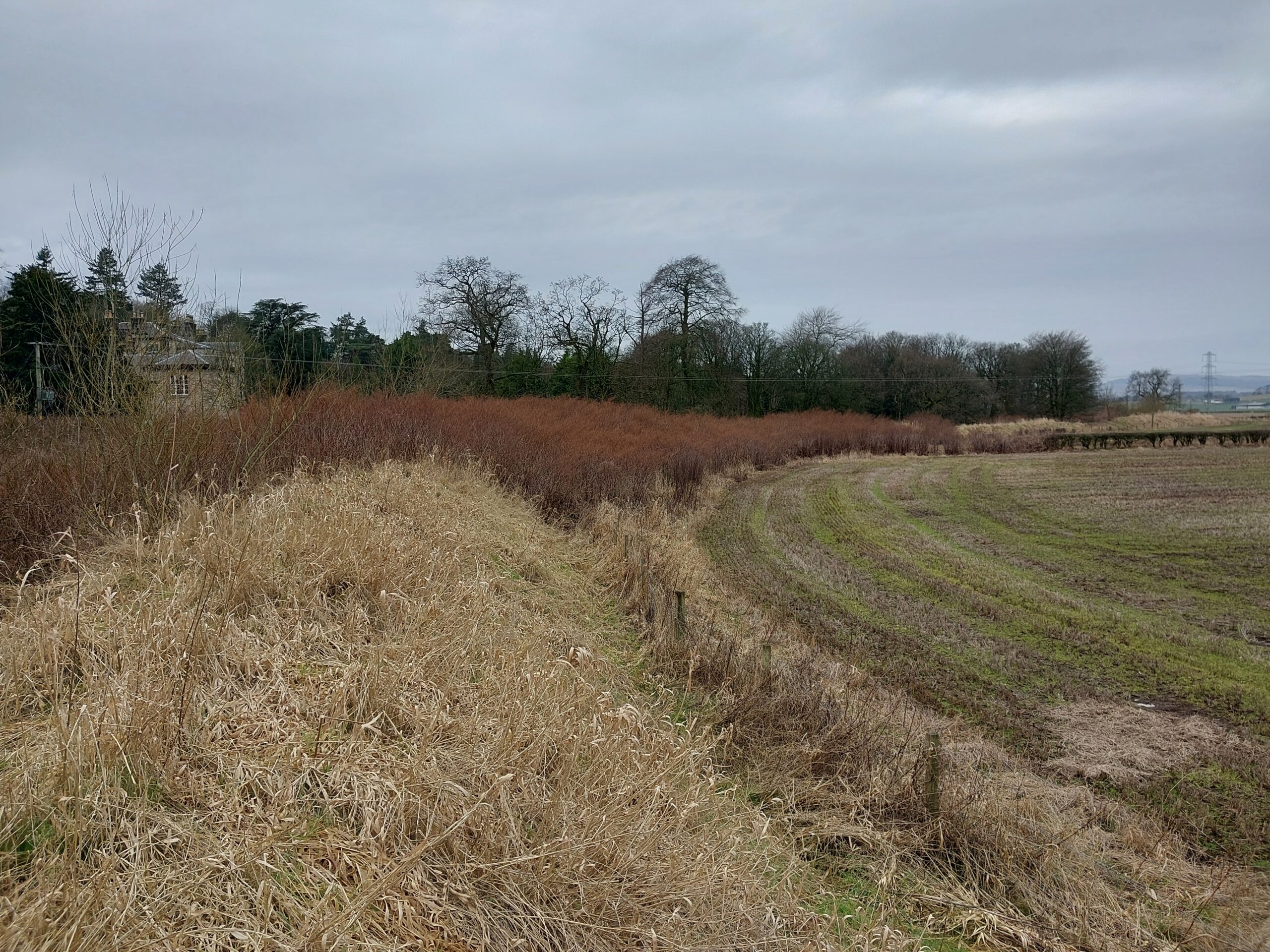
Recently RAB Consultants’ staff members worked with AECOM to undertake an asset cataloguing and inspecting task for the Scottish Environment Protection Agency.
This work also involved us delivering training to some SEPA, local council and AECOM staff where we taught them how to identify, catalogue and inspect assets using the One Business Condition Assessment Manual (OBCAM) and visual asset inspection methodology.
The cataloguing and inspecting exercise we undertook was for a reach of the River Kelvin and some of its tributaries around Kirkintilloch, north-east of Glasgow.
What is an Asset in the Water Industry?
An asset is a standalone structure or item. They can be natural riverbanks, sheet piled walls, outfalls, flood gates etc.
A river reach can have multiple different assets, especially if it is in a built-up area or has multiple flood defences. Assets have elements which are the main components they are comprised of. Culverts for example have a barrel and usually up and downstream headwalls (depending on their construction).
How is an Asset Graded?
During an asset inspection, the OBCAM methodology is used whereby elements are assigned a condition grade from 1-5.
1 – Very good
2 – Good
3 – Fair
4 – Poor
5 – Very poor
Each element is given a weighting from 1-9 depending on its importance for the asset to function. The weighting and grading is multiplied together and an average is then calculated to provide an overall representative condition grade.
How Do You Catalogue an Asset?
Cataloguing assets first requires identifying the asset type, then the elements the asset is comprised of, assigning a weighting, recording the material they are made from and plotting location on a GIS data system.
Some assets have many elements and as a result, asset cataloguing can take a considerable amount of time.
Why Are Regular Asset Inspections Important?
Consistent and repeatable asset cataloguing and inspecting enables the identification, monitoring and repair of defects when they occur. A ‘defect’ can be any one (or more) of a vast number of issues rivers and flood risk management measures can experience.
They can include:
- Flood defence, natural bank, or erosion protection instability or collapse.
- Channel blockages (usually tree and debris accumulation) and deposition.
- Undesirable vegetation growth (including invasive non-native species).
- Culvert/bridge collapse.
- And many more.
Without this consistent approach, it is not possible to plan or budget for efficient, effective maintenance work to prevent flood defence assets from failing. A consistent approach also aids prioritising areas in the poorest condition.
What Happens if an Asset Isn’t Inspected Regularly?
The resulting flooding consequences associated with defences being below the condition required to perform their intended purpose can be catastrophic, easily amassing millions of pounds of damage and disruption, with some cases, endangering lives.
What is a Recent Example of an Asset Defect?
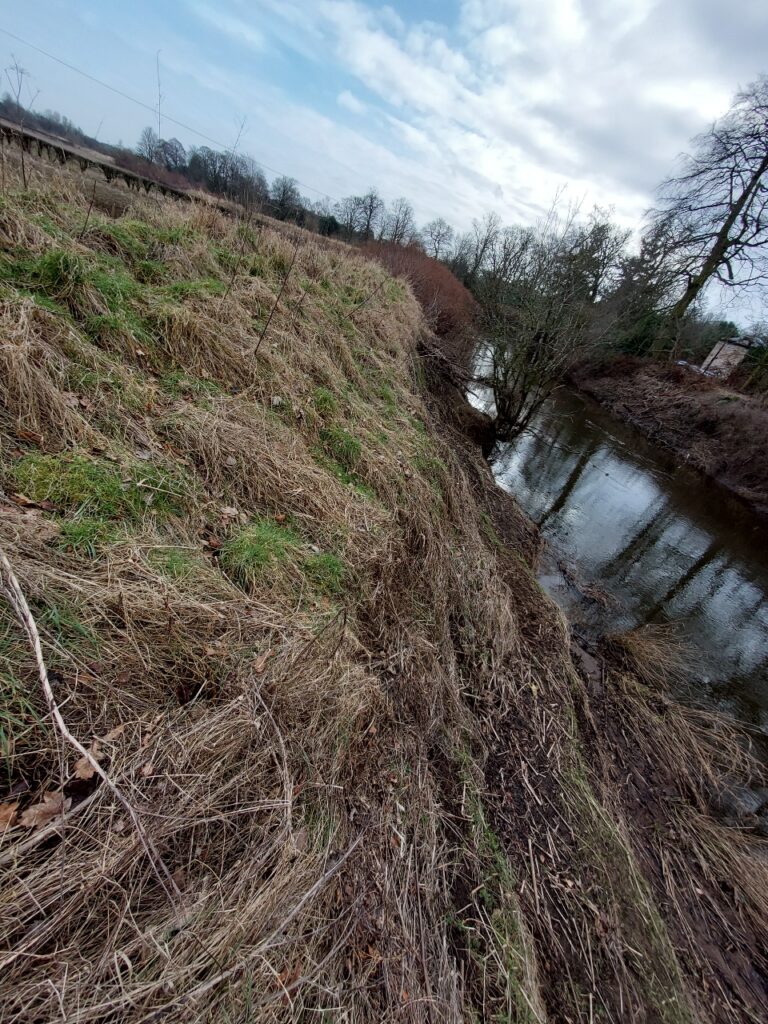
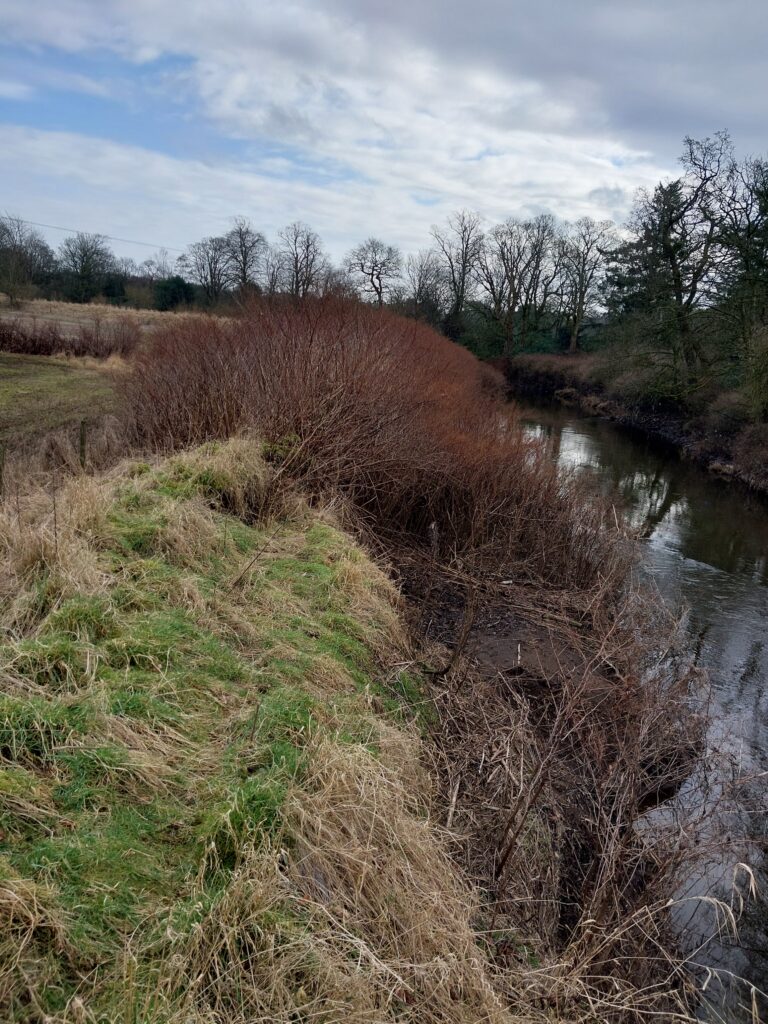
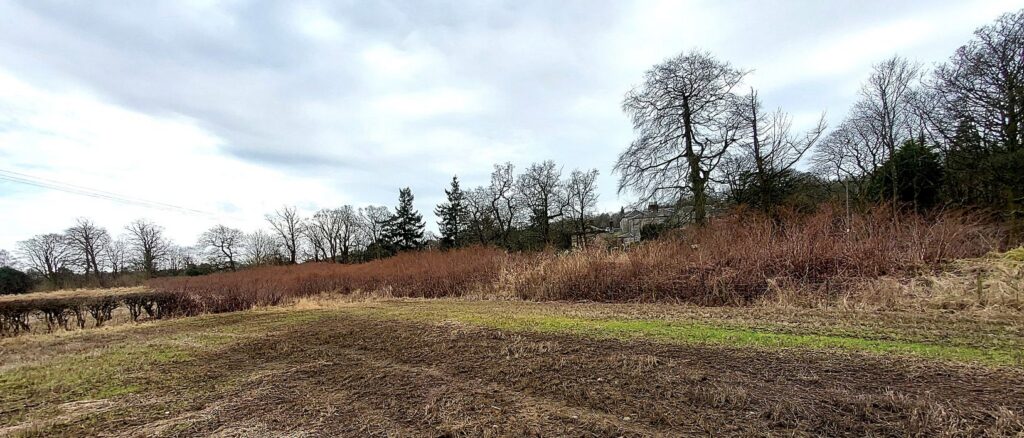
On top of defect identification and asset condition allocation, RAB staff are also trained to spot invasive non-native species. Japanese Knotweed, which is an invasive perennial weed, was identified in many locations along the River Kelvin and in one area it is suspected to have had a compounding impact on the erosion and destabilisation of a flood embankment. Root systems were identified well below the original crest height, down in the embankment’s clay core.
If you have assets requiring a management system or staff training, please get in touch.