

With ever-tightening budgets, cost-effective management of flood and coastal risk management (FCRM) assets is a growing priority for Risk Management Authorities (RMAs), particularly as climate change increases the frequency and severity of flood events and coastal storms. To sustain reliable long-term protection up to an asset’s design standard, this critical infrastructure requires regular inspections and assessment to inform maintenance planning.
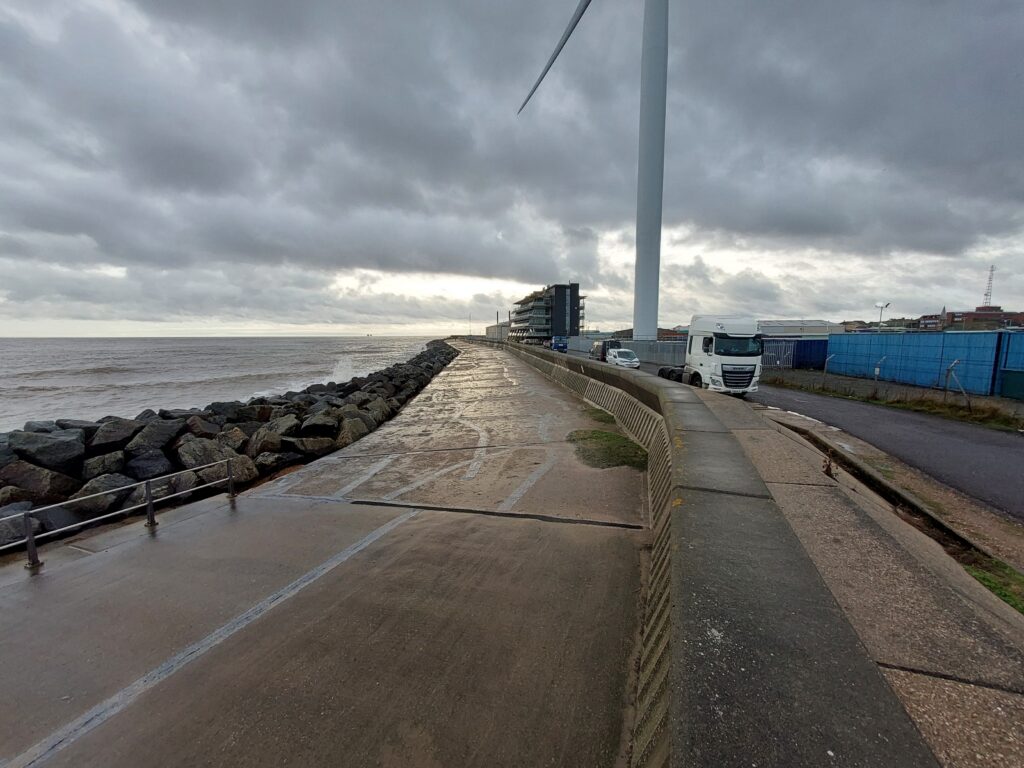
RAB Consultants were recently commissioned to undertake a Residual Life Assessment of Hamilton Sea Wall, Lowestoft for East Suffolk Council.
Residual Life Assessments can provide valuable insights into the condition, performance and future management requirements of flood and coastal risk management assets. By combining condition assessments with an understanding of deterioration mechanisms, they support more informed decision-making around maintenance, repair and investment planning.
The Hamilton Sea Wall case study provides a compelling example of how detailed inspections and targeted investigations can improve understanding of asset condition, identify hidden defects and support the development of cost-effective intervention strategies.
The key lessons learned from this project are outlined below:
The ability to identify hidden or emerging defects that may not be immediately visible
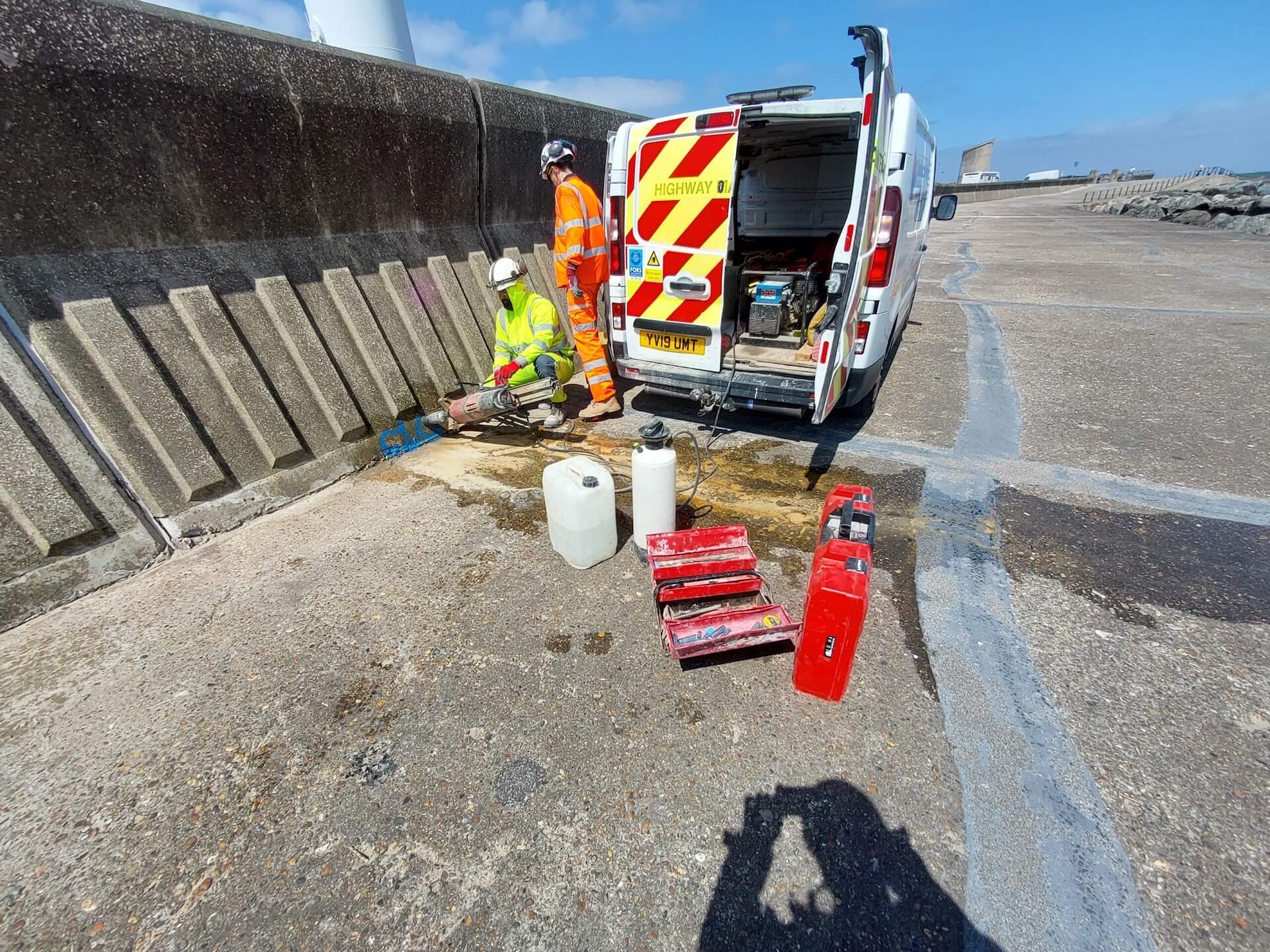
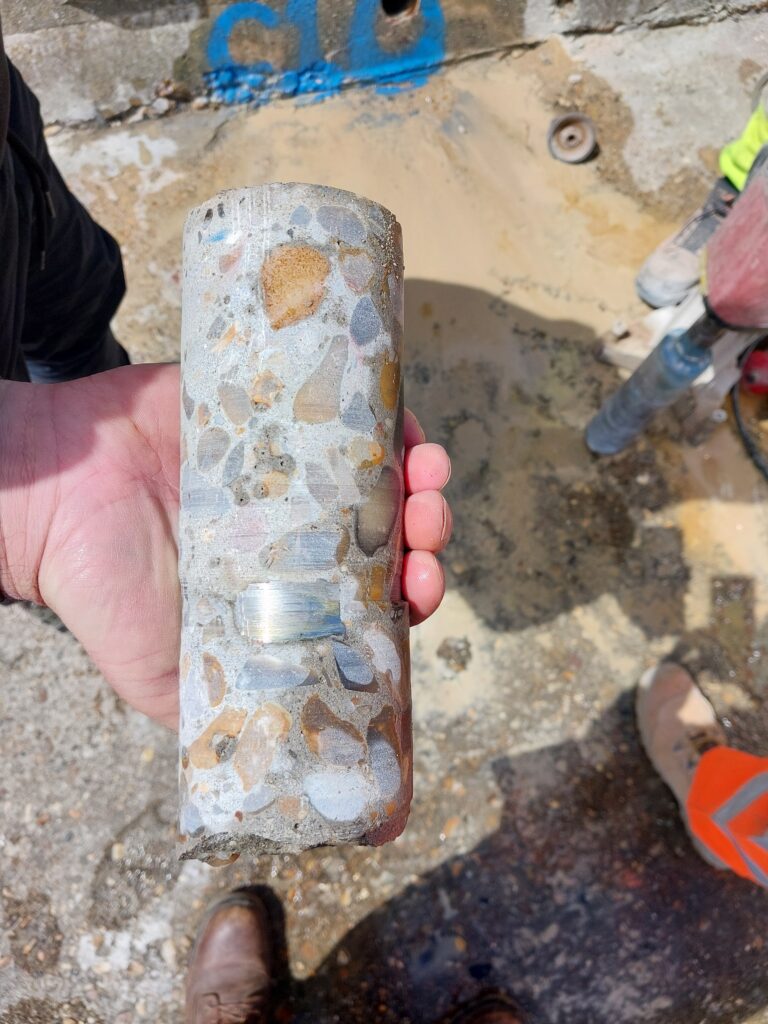
The visual assessment of the inspection chambers at Hamilton Sea Wall did not identify any widespread evidence of subsidence or washout, however the intrusive investigations completed by drilling through the lower concrete elements identified a number of voids beneath several chambers, and evidence of corrosion and spalling within the structure indicated underlying vulnerabilities. Without this detailed analysis, these issues may have remained undetected until developing into more serious structural, and costly failures.
More accurate risk-based decision making
At Hamilton Sea Wall, the asset achieved an overall condition grade of “3” (Fair), but this masked significant variation across individual elements. Critical lower elements of the structure which are exposed to tidal forces were found to be in poor condition, with evidence of severe corrosion in some areas.
Quantifying residual life to help plan accordingly
Our assessment at Hamilton Wall included an estimation of the residual life of individual elements to enable repair works to be targeted so that the life of the asset could be maintained or extended in the most cost-effective way.
The assessment concluded that, under a do-nothing scenario, sections of the wall could begin to fail within five years, with a maximum residual life of around ten years. However, with targeted repairs and maintenance informed by the inspection data, the asset’s life could be extended up to at least 20 years. Actions were categorised into short, medium and long-term recommended interventions and priorities, highlighting where urgent repairs were required, and also identifying areas where additional investigations and surveys could provide further beneficial insights.
So, what does this show?
The approach at Hamilton Wall provides clear evidence of how inspection-led strategies can unlock significant value by extending asset life and avoiding premature failure. The additional insight gained through the detailed inspection enabled the asset owner and operator to prioritise investment where it is most needed, rather than applying broad or reactive maintenance strategies. The case study also reinforces the importance of ongoing inspection regimes. The report findings note that more frequent inspections and earlier intervention could have reduced the extent and cost of current repairs. Regular monitoring, especially following storm and flood events, could have aided earlier identification of the issues.
How RAB can help you
RAB has considerable experience undertaking asset inspection work in fluvial and coastal environments for a variety of public and private sector clients. We have 22 accredited T98 asset inspectors as well as several assigned lead inspectors responsible for coordinating and completing inspections across several Environment Agency regions in England. We also work with Natural Resources Wales, SEPA, OPW and various local authorities providing visual asset inspection, GIS based asset registers, support and training.
We deliver asset inspection training, accreditations and reaccreditations. This, combined with our broad range of experience and knowledge across our Engineering and Flood Risk teams, makes us well-placed to support Risk Management Authorities to better understand their flood risk assets and to support with decision-making.
Support of specialist contractors can also be a critical component of a detailed asset inspection project, and RAB’s network of contacts and suppliers means we are able to coordinate the necessary works. We have the knowledge and experience to undertake the subsequent interpretation and evaluation to ensure any assessment can be collated and packaged within a single coherent document.
If you are interested in finding out more about how we can assist, please get in touch and we would be happy to review your requirements.