
A 1955 Land Rover, a global journey and a very modern question: what does resilience look like in a changing climate?
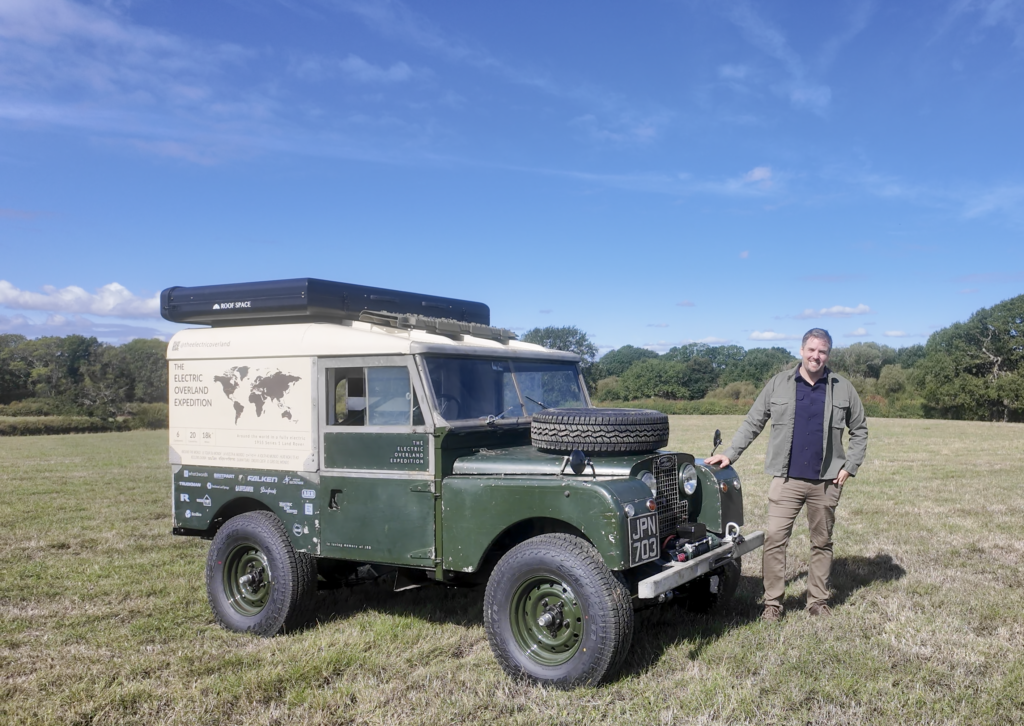
In March 2027, Dr Ed Barsley, a climate specialist, will leave London behind the wheel of an unlikely expedition vehicle: Evie, a 1955 Series I Land Rover belonging to his late father.
But this is no ordinary classic car adventure.
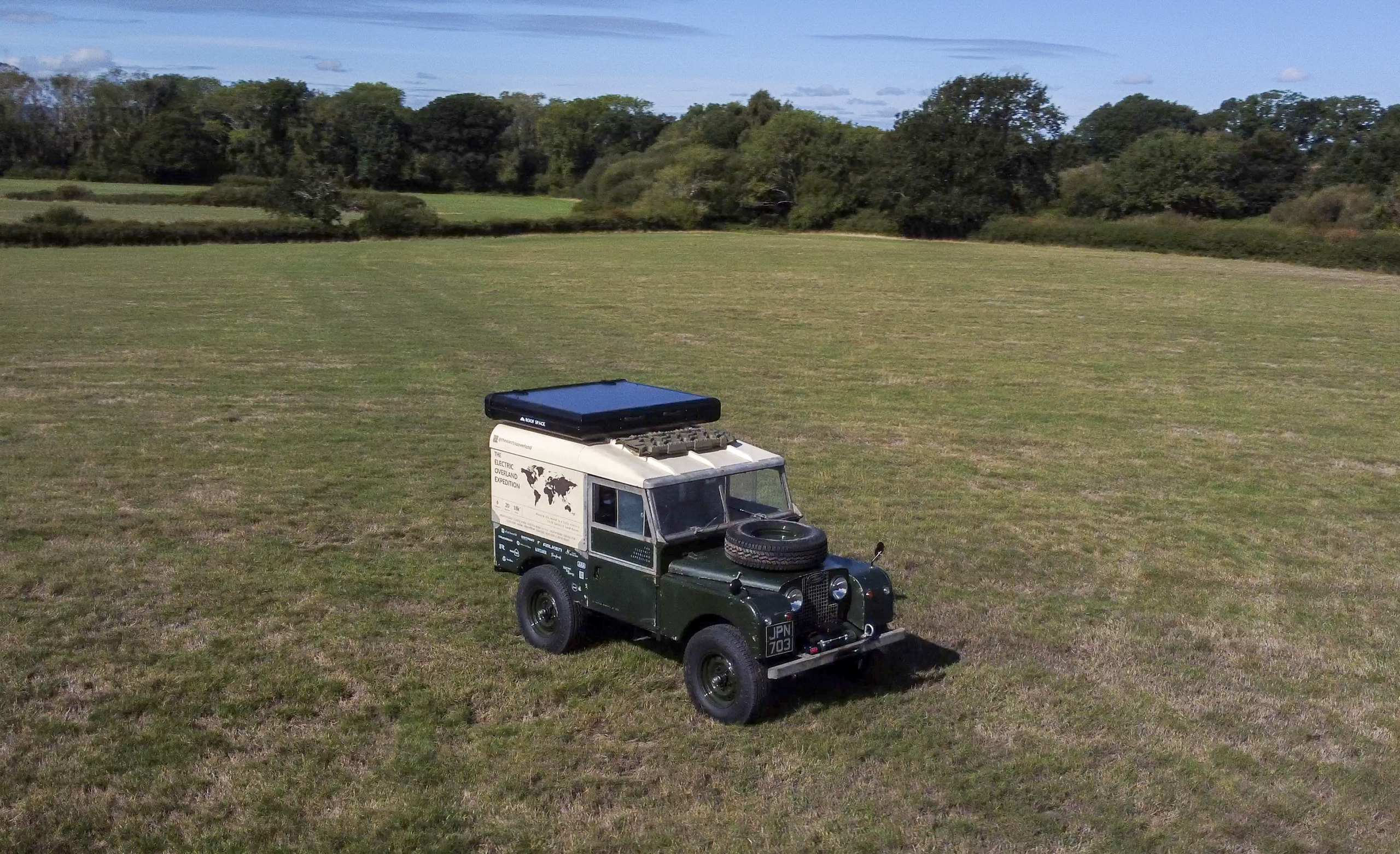
Now converted to run entirely on electric power, Evie will travel more than 18,000 miles across 20 countries and six continents as part of The Electric Overland, in an attempt to become the first person to circumnavigate the globe in an electric classic car.
RAB is proud to be supporting the expedition, contributing expertise in flood risk, emergency planning and climate resilience as Ed documents the ways communities, infrastructure and landscapes are responding to a changing climate.
What is the Story Behind the Electric Overland Expedition?
For Ed, the expedition is both personal and purposeful.
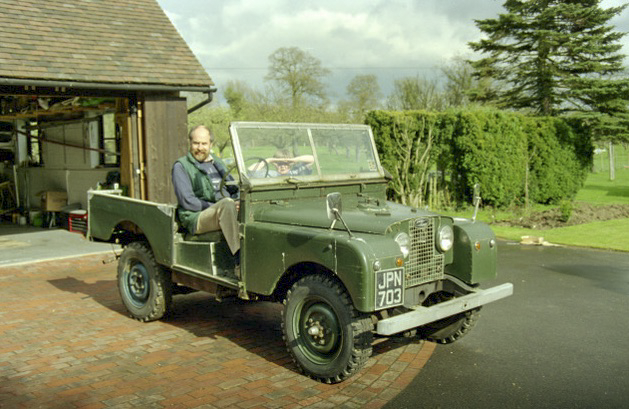
The Land Rover had belonged to his family for more than 35 years, and driving it around the world was a long-held ambition of his father, John. Following John’s death in 2024, Ed continued the restoration and developed the idea of completing the journey in his father’s memory — while putting the vehicle at the centre of a wider conversation about adaptation and decarbonisation.
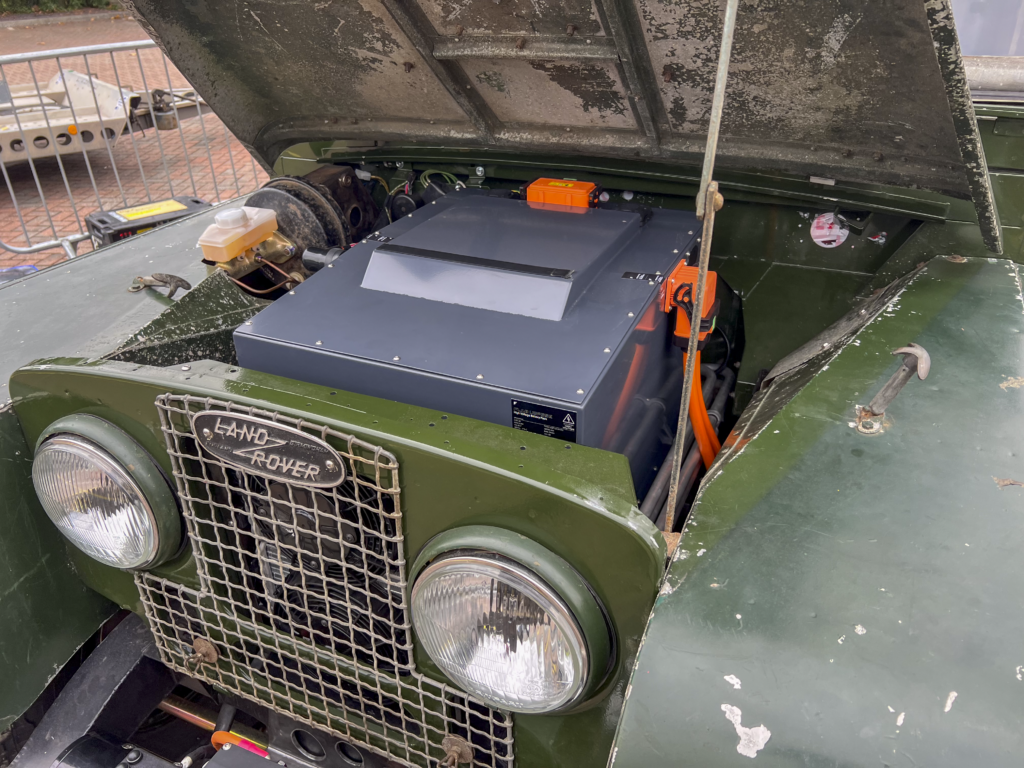
Evie retains her original chassis, body and patina, but has undergone a fully reversible electric conversion using two 55kWh battery packs and a Tesla Model 3 motor.
The result is a classic vehicle with modern electric capability — a practical demonstration of Ed’s belief that preserving heritage and preparing for a lower-carbon future do not necessarily have to be competing priorities.
What Will the Electric Overland Reveal About Climate Resilience?
Climate resilience will be a central theme of the expedition.
As Ed travels through regions already experiencing the effects of climate change, he will document how people, infrastructure and natural landscapes are adapting to increasing risks and changing conditions.
For us at RAB, that makes the expedition a natural extension of our work helping communities and property owners understand and manage flood risk. Our support will bring our experience in Property Flood Resilience (PFR), emergency planning and wider resilience thinking into the expedition’s climate stories.
The connection is simple: resilience is about finding practical ways to prepare for change, reduce risk and adapt to the challenges that cannot be avoided.
Whether that means adapting a historic vehicle for a lower-carbon future or making a property more resilient to flooding, the underlying principle is the same: finding ways to adapt rather than simply accepting that things have to be done differently or left behind.
What is the Route?
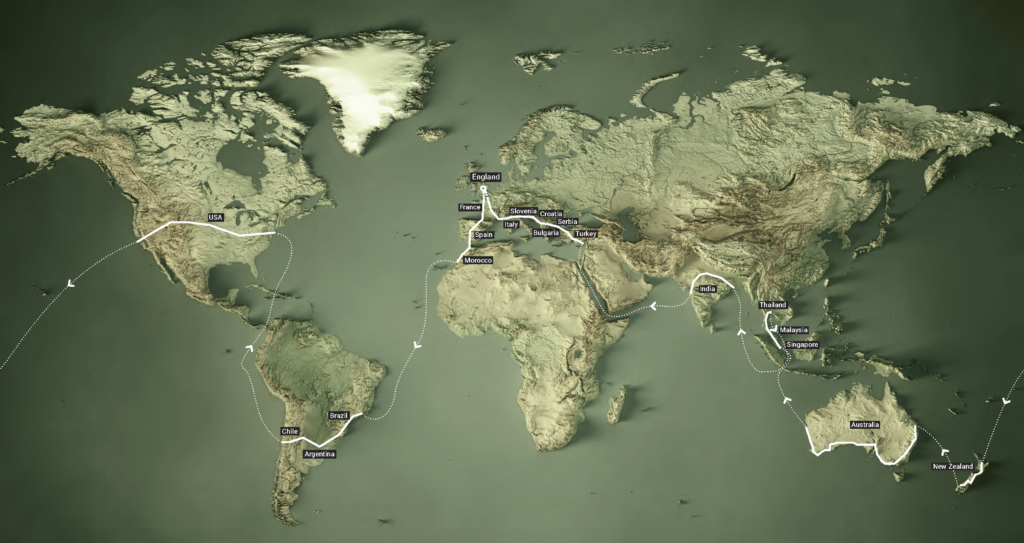
The Electric Overland will depart from the Royal Automobile Club on Pall Mall on 22 March 2027.
The planned route will take Ed and Evie from the UK through France, Spain and Morocco, before crossing South America and the United States. From there, the expedition will continue through New Zealand, Australia and South-East Asia before returning through India and Europe to London.
The journey will test far more than Evie’s electric powertrain. The team will have to contend with remote roads, extreme temperatures, dust and mountainous terrain, as well as differing charging standards, electricity supplies, border crossings, customs requirements and international shipping.
Seven sea-freight crossings will connect parts of the route that cannot be driven.
The expedition will be documented using GPS, mileage, charging, shipping and filmed evidence, with the proposed world-first claim subject to completion and verification.
Where Can You See Evie Before She Sets Off?
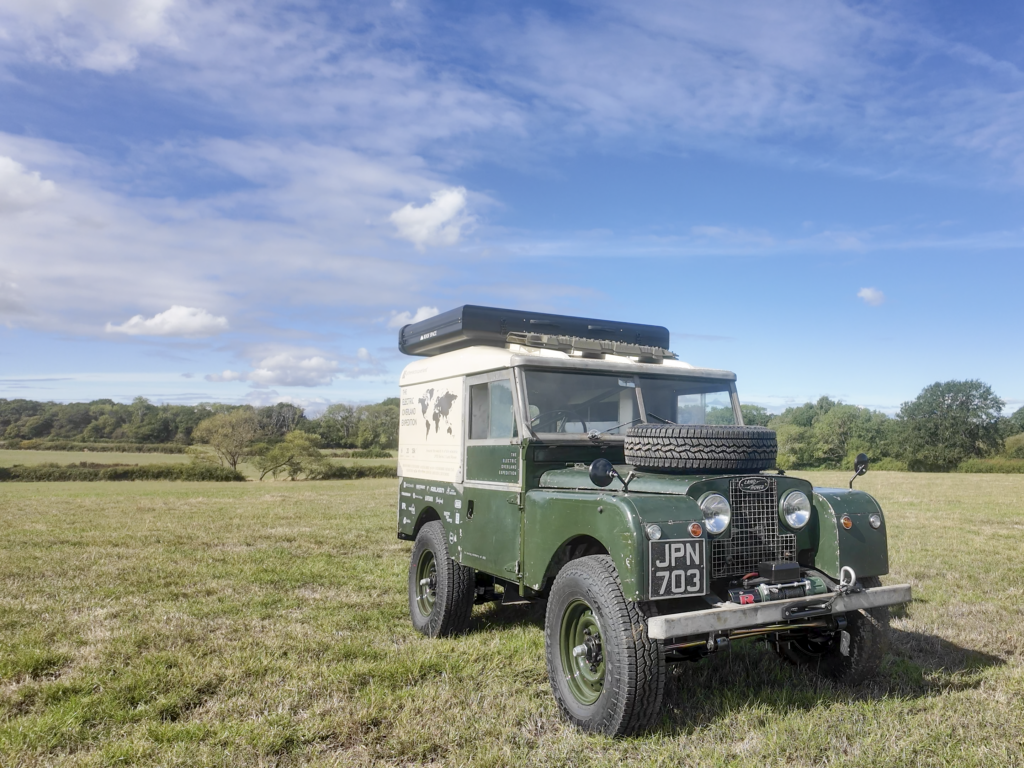
Before beginning her global journey, Evie will be introduced to the public at two major UK automotive events.
She first appeared at Everything Electric Greater London in Twickenham on 11–12 September 2026, and will be at the Goodwood Revival from 18–20 September 2026.
The appearances give both electric vehicle and classic car audiences the chance to see the completed conversion and expedition equipment ahead of the March 2027 departure.
For RAB, supporting The Electric Overland is an opportunity to be part of a project that connects several important conversations: heritage, innovation, de-carbonisation and, above all, resilience.
We look forward to following Ed and Evie as they take that conversation around the world.
You can also follow the adventure on Instagram: @theelectricoverland / @edbarsley or by clicking here