

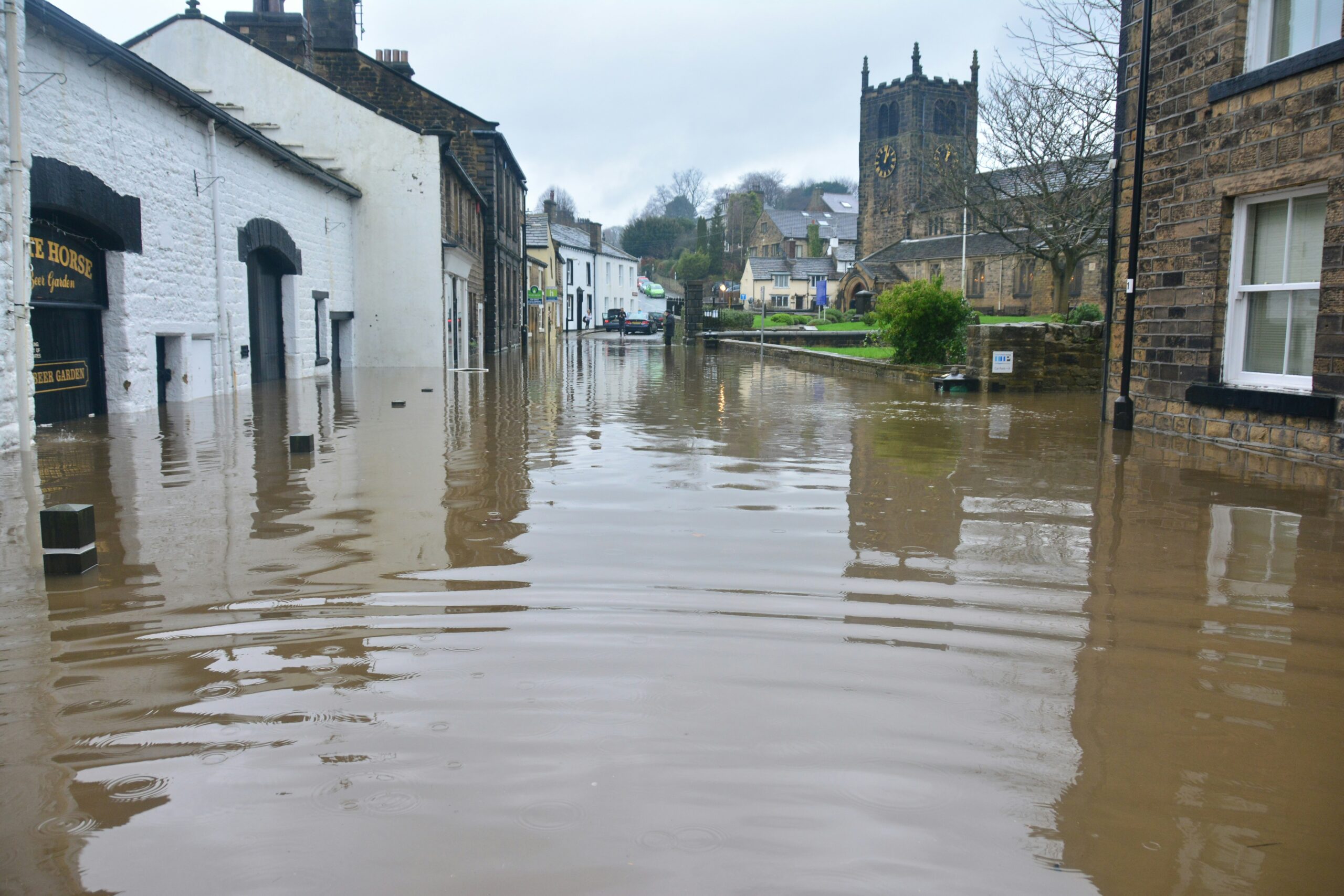
Flood Action Week returns this week (12–18 October 2026), bringing communities together to raise awareness of flood risk and help people prepare ahead of winter.
Being flood ready doesn’t have to cost anything. From checking your home or business’ flood risk and making a plan, to looking out for neighbours who may need extra support, small actions can make a big difference. Being flood ready isn’t just about protecting your own home, it’s about helping make your whole community more prepared and resilient.
At RAB, we’re once again proud to be supporting and raising awareness of this important campaign. As part of our activity this week, we’ve put together a free flood-ready checklist to help you, your home or business and your community get prepared this Flood Action Week and stay prepared throughout the winter.
1. Know Your Flood Risk
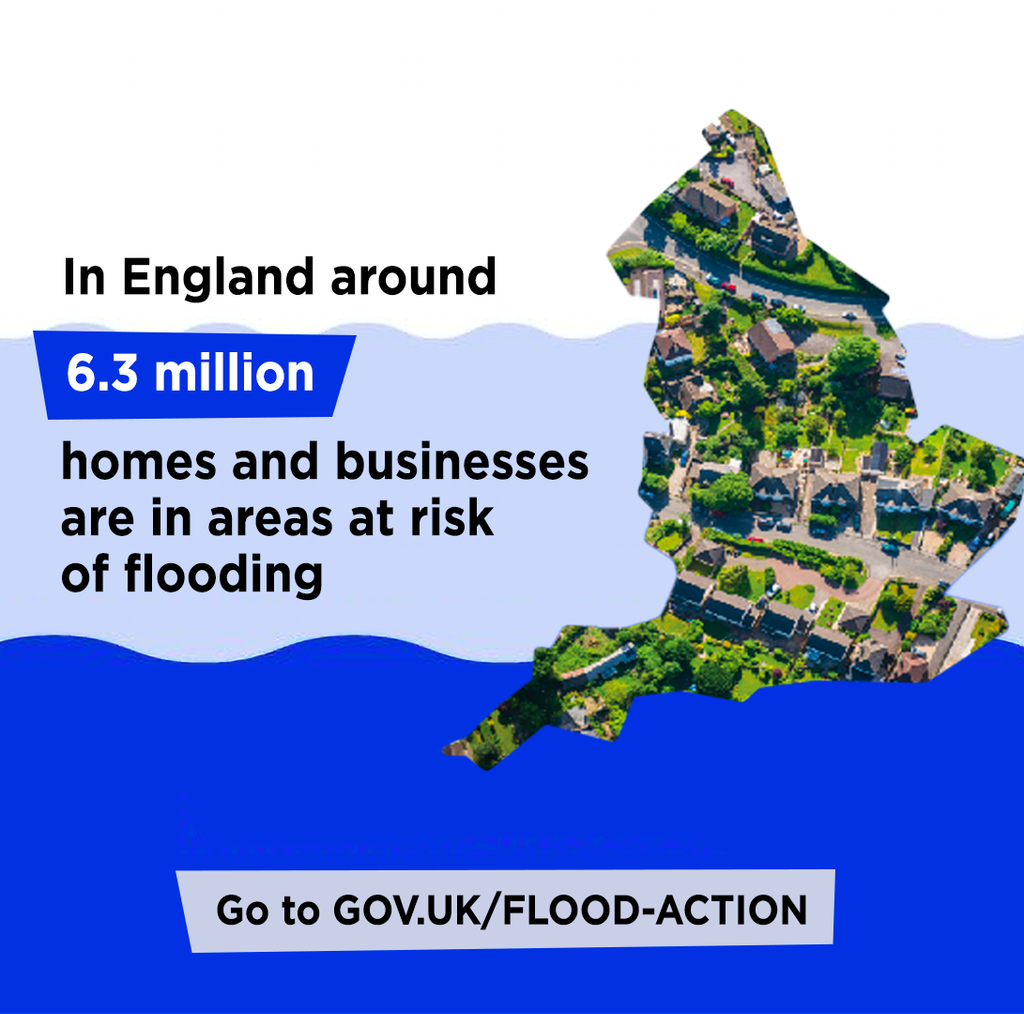
The first step to being flood ready is understanding whether your home or business could be at risk.
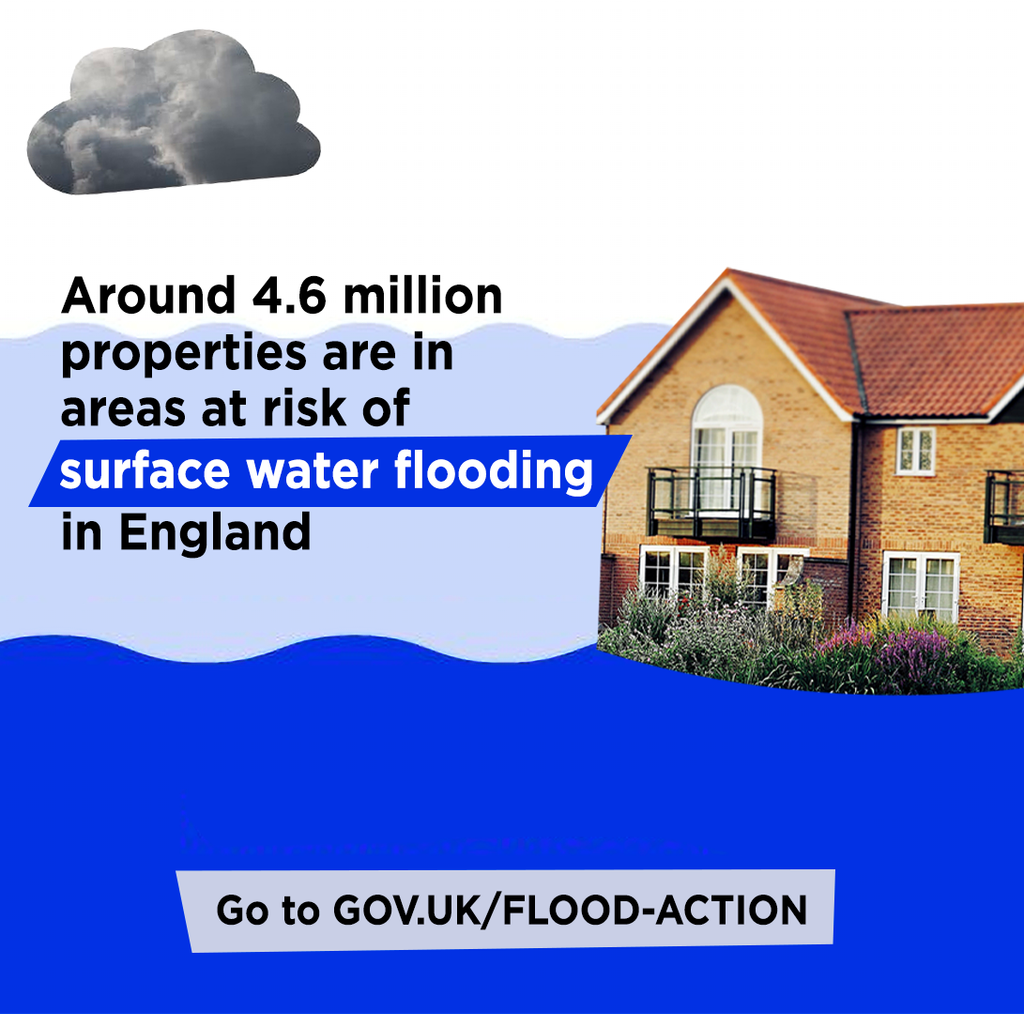
Flood risk can come from different sources, including rivers, surface water and coastal flooding, so it’s worth checking the information available for your area.
In England: Check the long-term flood risk for an area on GOV.UK. Click here
In Wales: Check your flood risk by postcode. Click here
In Scotland: Check SEPA’s Flood Maps. Click here
Even if your property or postcode isn’t identified as being at risk, it’s still worth being prepared. Flooding can affect roads, local infrastructure and neighbouring properties, and you may need to support others in your community.
2. Know Where to Get TRUSTED Information
During flooding, only rely on information from trusted sources such as:
- Environment Agency
- Natural Resources Wales
- SEPA
- Local Authority updates
- Emergency services (always call 999 in an emergency)
Avoid sharing unverified information on social media as this can cause a frenzy in the community and lead to what might end up being unnecessary panic.
3. Do You Have the Right Cover?
Knowing your flood risk is an important first step, but it’s also worth checking that your home or business has the right insurance cover in place.
If your property is in an area at risk of flooding, check your policy carefully to make sure you understand what is and isn’t covered, including your buildings, contents and any alternative accommodation or business interruption cover that may apply.
If you’re finding it difficult to get suitable flood insurance, Flood Re is one option that may be able to help make flood cover more accessible. It is a scheme designed to help people living in flood-risk areas access affordable home insurance.
If you’re struggling to find suitable cover, you can find out more and get a quote here.
Tip: Create a Home Inventory
Take photographs or videos of rooms, valuable possessions and key equipment before flooding occurs. Store the images digitally so they can be accessed if your property is damaged. This can make insurance claims quicker and help evidence losses.
4. Sign Up for Free Flood Warnings
Did you know GOV.UK offers a free flood warning service?
If you live in an area covered by the service, signing up means you can receive warnings via text, phone or email when flooding is expected, giving you more time to act.
Flood warnings come in different levels and understanding the difference helps you respond appropriately:
- Flood Alert: Be prepared.
- Flood Warning: Flooding is expected. Act now.
- Severe Flood Warning: Severe flooding. Danger to life.
- Warning No Longer in Force: No further flooding is currently expected.
Sign up for flood warnings here!
5. Make A Simple Flood Plan
Simple is the key word here, it doesn’t need to be complicated or elaborate. An easy-to-read plan that everyone in your household understands can make a big difference when time is limited.
Think about and answer these questions:
- Where would you stay temporarily if you had to leave your home? (i.e. family member, friends, nearby hotel).
- Who would you contact? Please call 999 in an emergency and follow their instructions.
- What is the safest route out of your property?
- Where would you take any pets?
- Who in your home or community might need extra help?
- What would you need to take with you?
- How would you contact family members if phone networks or transport were disrupted?
Keep a copy somewhere everyone can find it and make sure family members included in the plan are told in advance too.
Don’t forget your community. If your street or surrounding area already have a community flood plan, familiarise yourself with it. If it doesn’t, Flood Action Week could be the perfect time for you to start a conversation with neighbours about how you could support one another.
6. Know How to Turn Off Your Utilities
Make sure you know where your home’s gas, electricity and water shut-off points are and, where appropriate, how to turn them off safely.
If you’re unsure, contact your utility provider or a suitably qualified professional for advice.
7. Test Your Community Response Plan
If you’re already part of a community flood group, residents’ association, business network or local resilience group, consider testing your response procedures regularly. And if you’re not part of a formal group, you can still make a difference. A street WhatsApp or group chat can be a simple way to share warnings, check in on neighbours and pass on reliable information.
Testing a community response plan could look like this:
“[TEST] Hi everyone, a flood warning has just come in. What happens next?”
Who would contact residents? Who would check on neighbours who may need additional support? What neighbours have useful skills/ transport? Where would people get reliable information? What happens if a usual road or access route is flooded? Is there a safe meeting point to ensure everyone is accounted for?
8. Move Important Belongings Up High
Don’t wait for the flood warning to come in before moving important or valuable items to a higher place. It’s an easy task that can be done in a few minutes right now and will save you time in the event of a flood.
These items can include:
- Passports and other important documents
- Photographs and sentimental items
- Legal or financial paperwork
- Jewellery and valuables
- Small electrical items
- Important business records or equipment
Think about what you would be most upset or unable to replace if it was damaged by floodwater.
9. Keep Digital Copies of Important Documents
As well as moving physical documents higher, consider keeping digital copies too.
This might include insurance documents, identification, property information, important contact details and other records you may need following a flood.
10. Pack An Emergency Bag
If you needed to leave your home at short notice, what would you need to take?
Prepare a bag containing essentials such as:
- Essential medicines
- Basic first-aid supplies
- Phone and charging cable/power bank
- Essential toiletries
- Bottled water and a small snack
- A change of clothes for each member of family
- And keep room for those important documents you’ve stored up high!
You don’t need to spend money on a specialist emergency kit. Use what you already have at home and keep it somewhere easy to grab.
11. Work Out Your Safest Way Off Your Property
Take a few minutes to think about how you would leave your home if your usual exit or road was affected by flooding.
Identify a safe alternative route and consider where you would go if you needed to leave. If your usual route is affected, your neighbours may face the same problem, so it’s worth discussing with them any alternative routes and safe places to go.
If flooding is forecast, consider where vehicles could be moved to higher ground. And, if your business relies on vehicles, identify alternative parking locations before flooding occurs.
Most importantly, never walk or drive through floodwater unless you have been specifically advised that it is safe to do so. Floodwater can be deeper, faster-flowing and more dangerous than it appears. It can also hide hazards such as open drains, debris and damaged roads.
12. Consider Property Flood Resilience Measures
If your property has flooded before, or is at risk of flooding, consider whether property flood resilience measures could reduce future damage.
This could include:
- Flood doors and barriers
- Non-return valves
- Raised electrical services
- Water-resistant finishes
- Pumps and drainage solutions
A professional flood risk or PFR assessment can help identify measures appropriate for your property.
13. Check Your Existing Flood Protection
If you already have property flood resilience measures, don’t wait for a flood warning to discover that something isn’t working.
Regular maintenance matters. A flood protection measure is only useful if it can do its job when you need it.
14. Check in on Your Neighbours
One of the simplest ways to make a community more flood resilient is to look out for one another.
Think about the people living around you. Is there an older neighbour who might need help understanding a flood warning? Does anyone have mobility issues? Is there someone who lives alone, has young children or has pets that may need additional support?
You don’t need to be a flood expert. Simply knowing who might need a little extra help and agreeing how you could support each other can make a real difference.
And if you’ve found this checklist useful, share it with your neighbours.
15. Finally, Start the Conversation This Flood Action Week
When communities understand their flood risk, have plans in place and know how they can support one another, everyone is better prepared to respond.
So, this Flood Action Week, take a few minutes to do the things that cost nothing but could make a real difference.
Your 5-Minute Flood-Ready Challenge:
Can you complete these five actions in five minutes today?
- Check your flood risk
- Sign up for flood warnings
- Save emergency contacts
- Identify your utility shut-offs
- Speak to one neighbour
At RAB, we offer Property Flood Resilience (PFR) surveys to help you better understand your property’s flood risk and identify measures that could help reduce the impact of future flooding.Whether your property has flooded before or you want to take preventative steps ahead of winter, our team can help you explore the options available.
Get in touch to find out more about our PFR surveys and take the next step towards a more flood-resilient property.